
Elizabeth Bol, South Sudanese Refugee living in Uganda, enrolled in 2019
Elizabeth Nyamankien Bol grew up learning to juggle responsibility early. Caring for others, helping at home, and making do with limited resources were part of everyday life. A member of the Nuer tribe, she became a Mercy Beyond Borders Scholar in 2019 while living in Uganda’s Alere refugee settlement.
When schools closed in March 2020 due to COVID-19, Elizabeth’s life shifted abruptly. Her parents were stranded in South Sudan and unable to return. At just 19, Elizabeth became responsible for a household of more than 30 children. She organized meals, collected water, resolved conflicts, and cared for younger family members. School stopped, but the work of holding a family together did not.
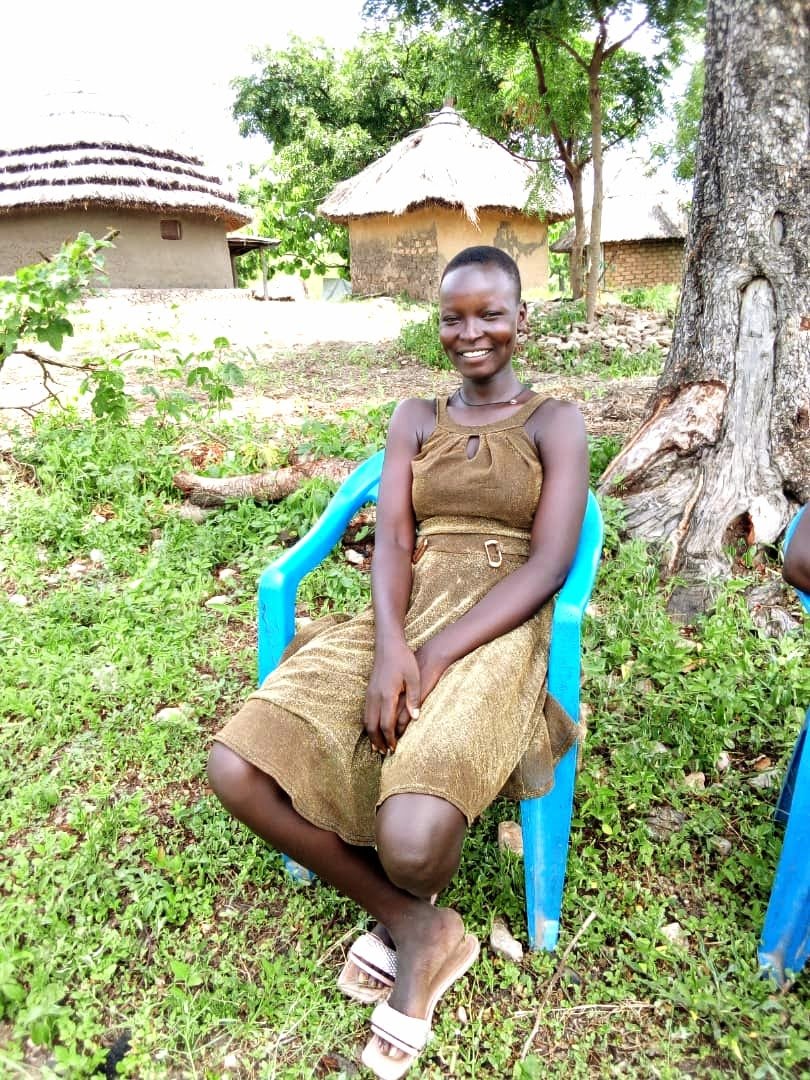
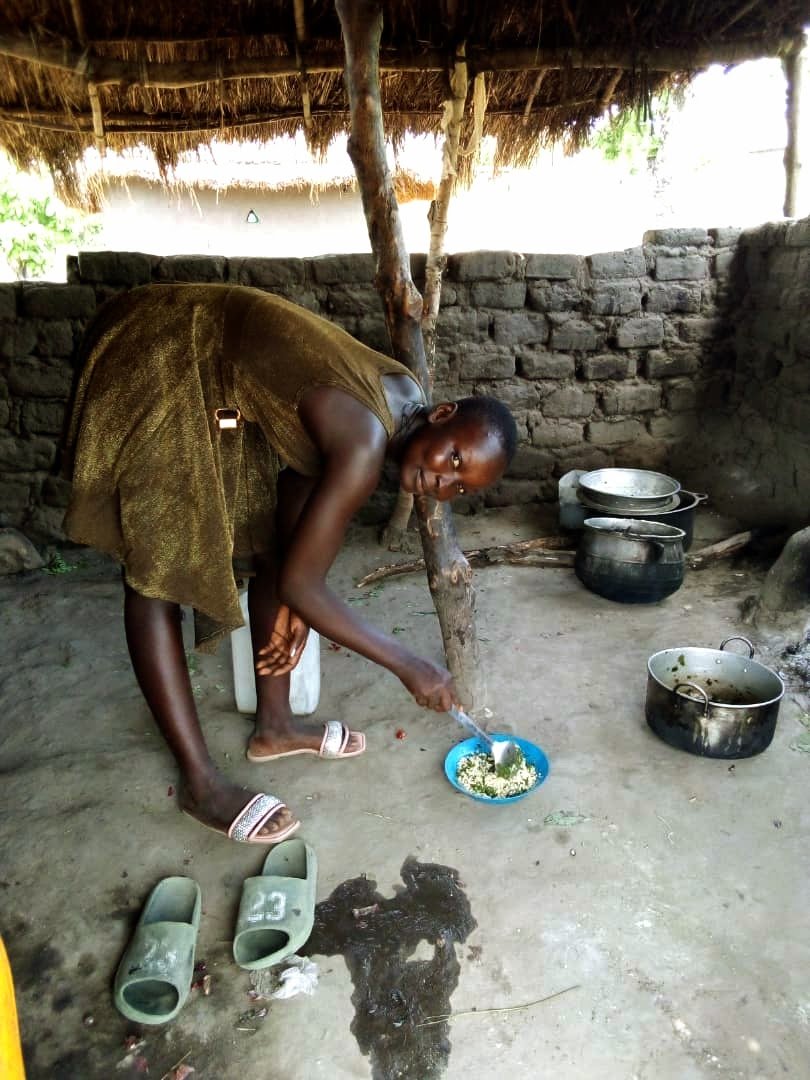
When classes eventually resumed, Elizabeth returned to the classroom while continuing to shoulder responsibilities at home. Food and water shortages remained constant. Each day involved hours walking to a distant borehole to collect water—something Elizabeth monitored carefully to keep her family healthy. Days began before sunrise and often ended after dark. Her hopes were practical: enough food, safe water, and simple things like solar lights to make daily life easier.
Elizabeth continued to give where she could. She tended a small family garden of maize, sorghum, beans, and sweet potatoes. She supported younger siblings’ education when possible. Through Mercy Beyond Borders leadership workshops, she gained tools in conflict management and self-awareness—skills she used daily within her household.
In 2024, Elizabeth graduated from high school, becoming one of the most educated members of her family. For someone whose parents never had the chance to attend school, this milestone mattered deeply. Still, moving forward wasn’t guaranteed. Transportation costs, instability, and family needs repeatedly threatened her plans—but she persisted.

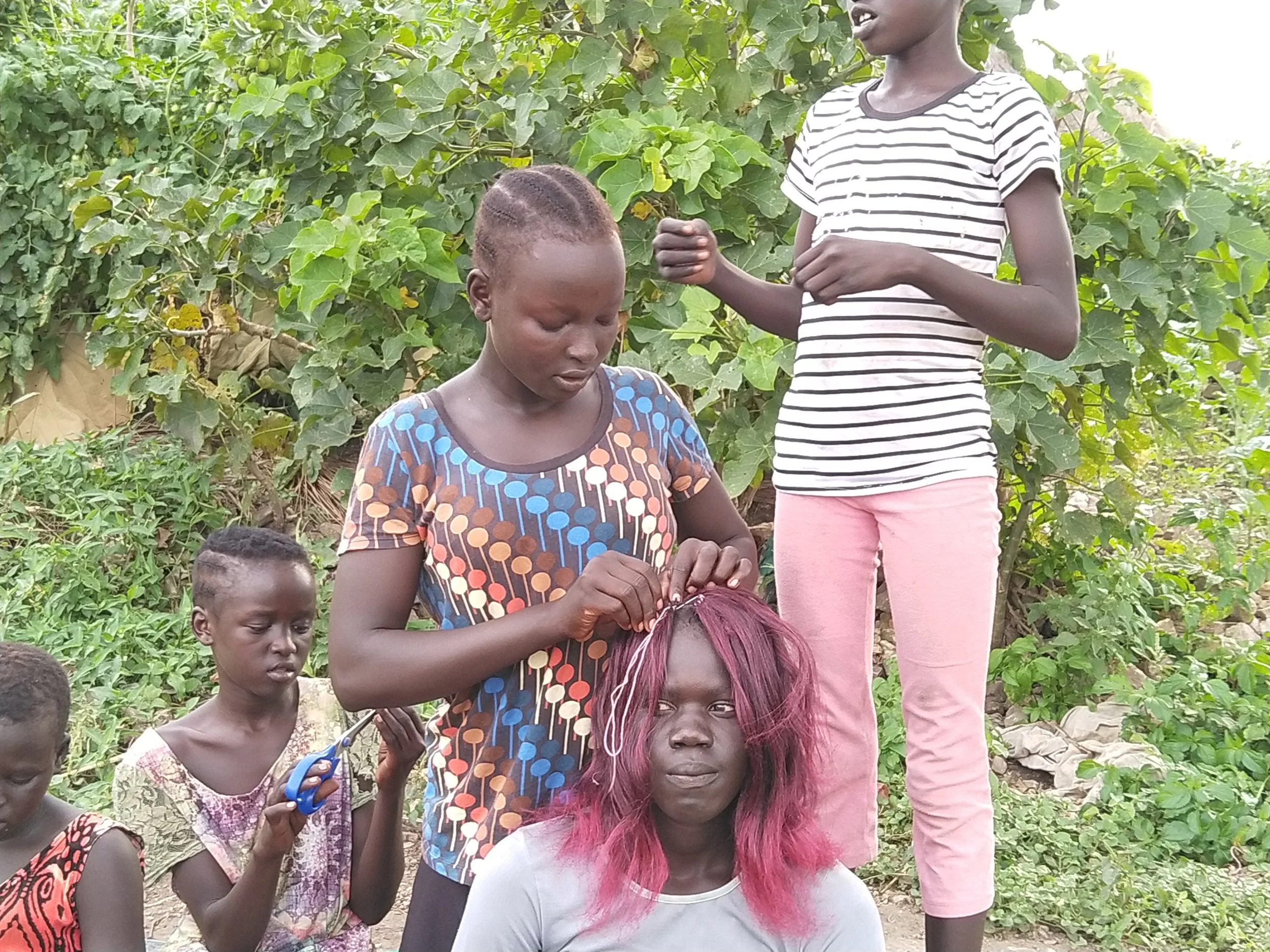
In 2025, Elizabeth enrolled in university to study nursing and midwifery. As a first-year student, she has grown in confidence and focus. She has assisted at pop-up clinics, taken patient vital signs, led study groups using anatomical models, and gained hands-on experience through regular hospital practicums. Outside of class, she continues to look after others in small, everyday ways—helping a friend study or braiding hair when money is tight.
Elizabeth hopes to work in reproductive health and education, areas she knows are deeply under-resourced in refugee settlements and South Sudanese communities. Her goals come directly from what she has seen and lived.
“Thank you, MBB, for visiting me and for all of your support,” Elizabeth shared. “I really wouldn’t manage without it.”
Elizabeth’s story is not about extraordinary moments. It’s about consistency—showing up for others, even when circumstances are hard, and continuing forward when the path isn’t clear.