Education
Mercy Beyond Borders partners with primary schools and provides high school and university scholarships for South Sudanese, Haitian, and Malawian girls born into extreme poverty. Our programs span South Sudan, Haiti, Malawi and the refugee settlements of Uganda and Kenya.
We get to know each Scholar and her unique circumstances through our high-touch case management model, which includes home visits. These visits help us see how daily life at home shapes her education and identify challenges that may be harder to see at school. Every Scholar receives counseling, and what we learn helps us respond to her individual needs with additional support such as tutoring or emergency aid.
What happens when more girls have what they need to finish school? The benefits reach their families, their communities, and the next generation.

Elementary
A girl’s first years in school lay the foundation for all that follows. We give schools the support they need most, ranging from project-based grants for teacher salaries, classroom repairs, and hot lunch programs to building a new dormitory and computer center at South Sudan’s only all-girls elementary school.

High School
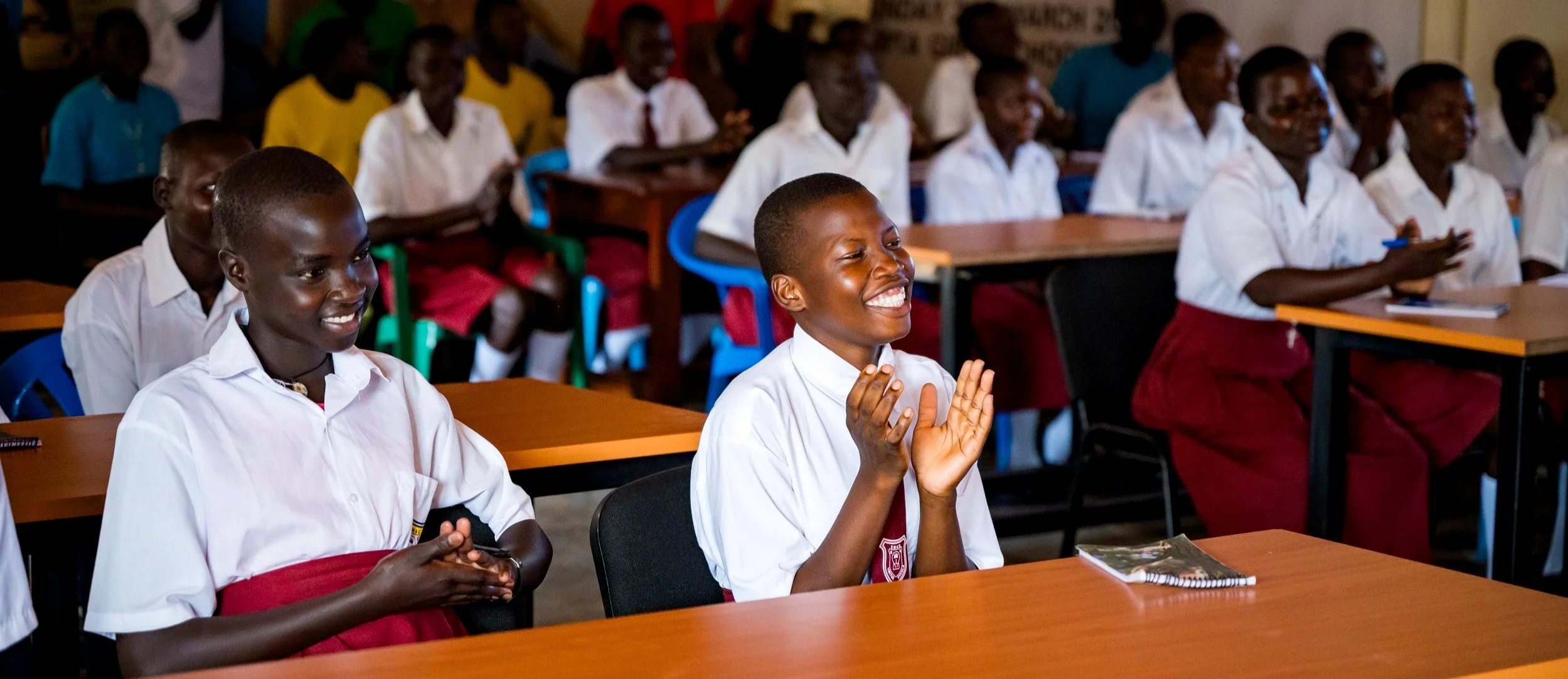
Most MBB Scholars are the first in their families to attend high school. Through comprehensive case management, they have someone to turn to when exams are tough or a crisis at home threatens to interrupt their education.

Higher Education
With healthcare workers in short supply and basic infrastructure severely limited, it’s no surprise that STEM is a popular choice for MBB Scholars, who go on to put their degrees to work in their own communities.
Educating Girls Creates a Better Future for Everyone
Why does it matter how long a girl stays in school? Research shows that the benefits reach well beyond the classroom, shaping when girls marry, what they earn as adults, and how healthy their children are.
Stronger economies. Women with a secondary education earn nearly twice as much, on average, as women who never went to school. That income can help families put food on the table, pay school fees, and break cycles of poverty across generations.
Healthier lives. Education helps women make informed choices about their health and seek care when they need it. Their children are less likely to suffer from malnutrition and more likely to live past their fifth birthday.
More choice about marriage and motherhood. Girls who finish secondary school are less likely to marry or become mothers before age 18. Staying in school can give a young woman more ways to earn a living and more say in whether and when she marries or has children.
Stronger connections. School is a place to build friendships and learn to work together. Those ties matter long after graduation, when women need someone to turn to or want to join with others to improve their communities.
More women shaping what comes next. MBB graduates put their education to work close to home. They care for patients in rural clinics, teach in local schools, and help build the infrastructure their communities need. They also speak up for girls whose education is at risk, helping the next generation get the same chance to learn.
Research source — World Bank, Missed Opportunities: The High Cost of Not Educating Girls (2018).